

More Than You Ever Wanted to Know About Cupholders
Look at the interior of a vehicle from the 1970s or earlier. You will find a wallet-sized drawer in the center of the dash that serves as an ashtray as well as a cigarette lighter inside the tray or on the dash itself. Back seat passengers will each have their own ashtrays, usually located in the door armrests. If the car is fancy enough, they’ll have their own cigarette lighters as well. Vehicles accommodated the smoking habit, but if occupants were thirsty, they were out of luck, having no choice but to hold their beverages in their hands or between their legs. Today ashtrays are rare, but every new four-door Nissan will have at least eight cupholders. This Dick Smith Nissan of St. Andrews post shows how there is more that goes into these simple devices than you probably think.
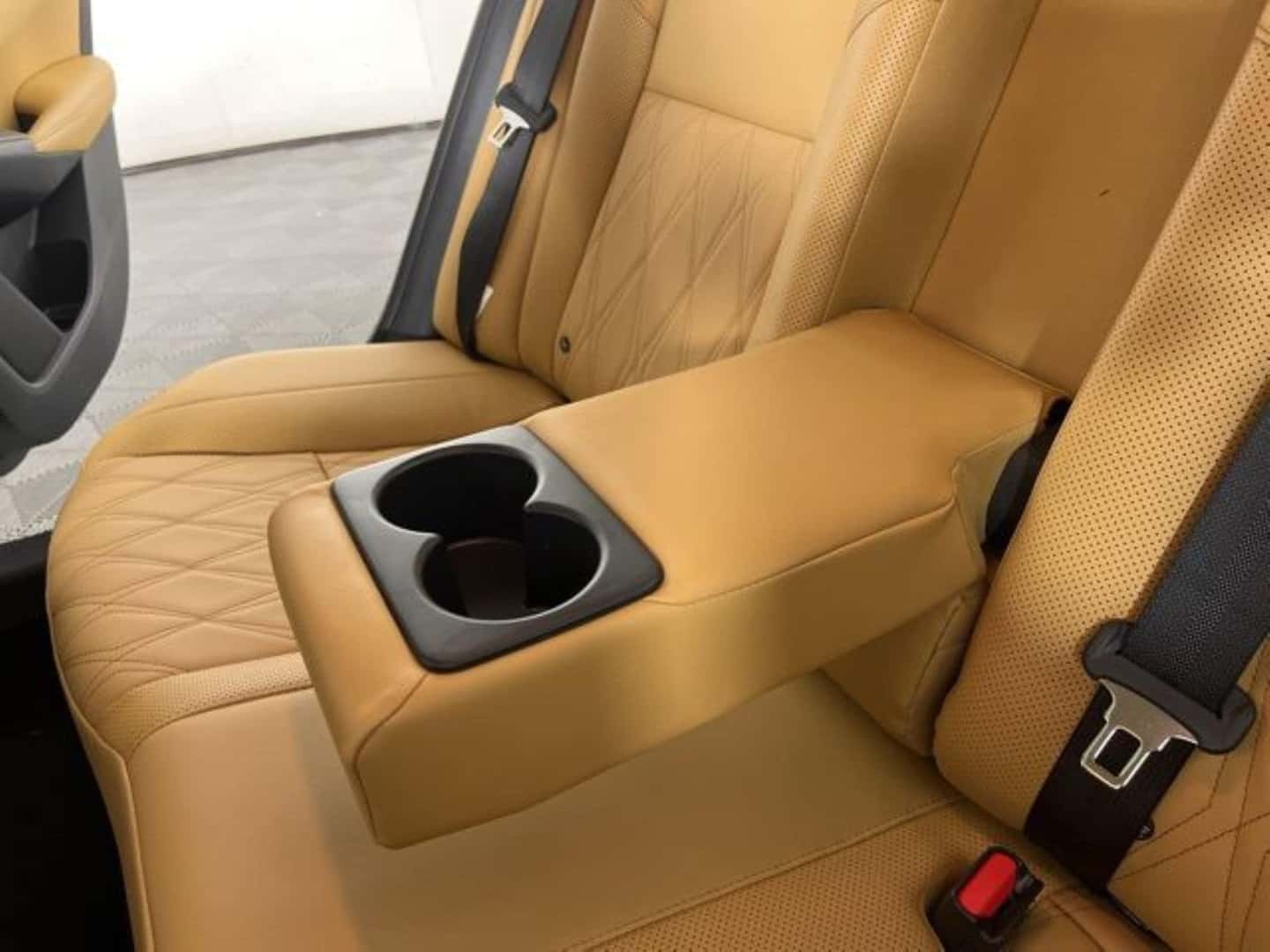
We would like to say that Nissan invented the in-car cupholder, but this would be a disservice to the interior designers of the first Dodge and Plymouth minivans in 1984, who included two deep cylindrical holes in the dash and thus crafted a new car feature inside their newly created car category.
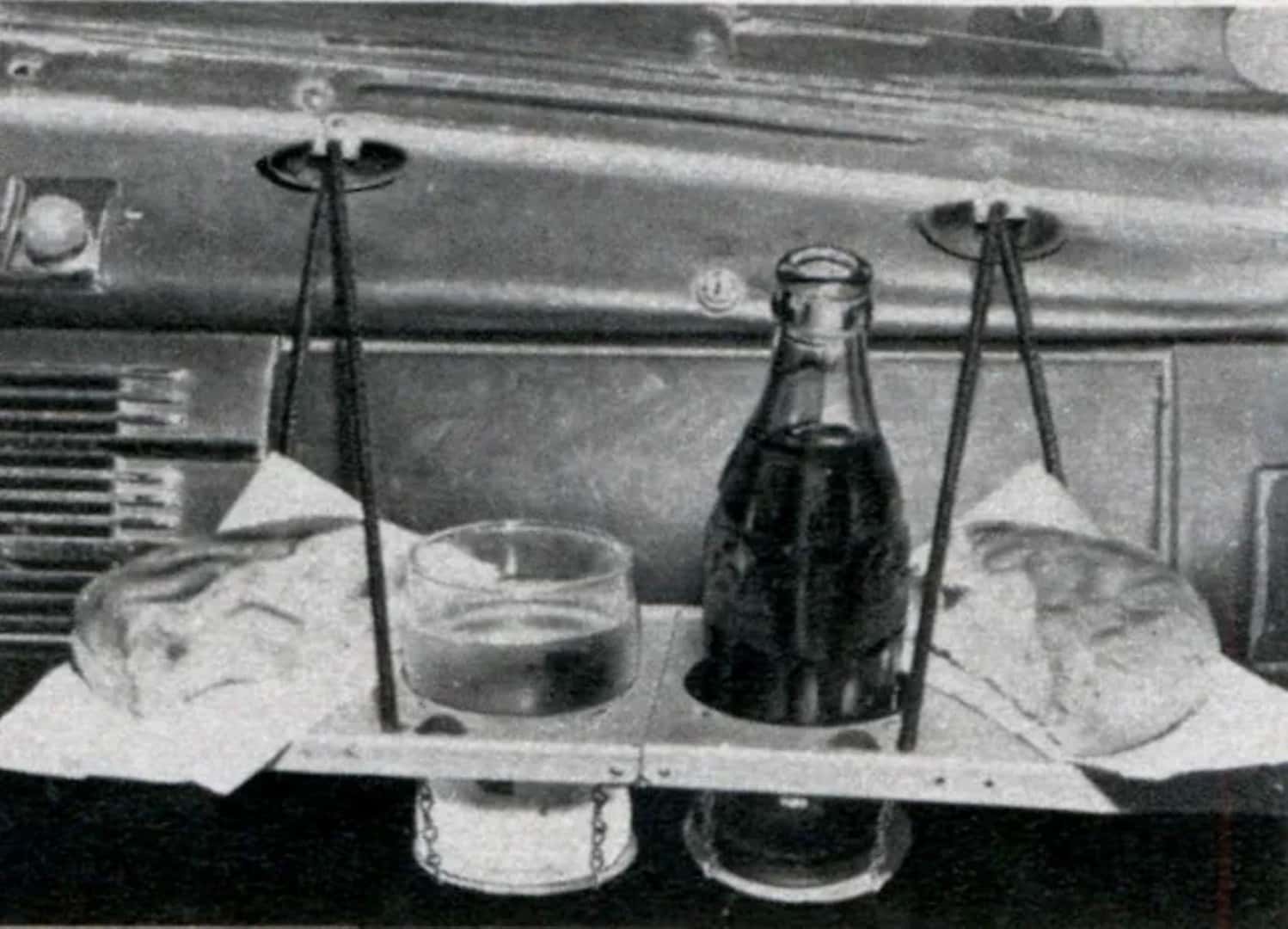
Aftermarket companies were decades ahead of this with various contraptions designed to hang or insert somewhere in a car interior to soothe a driver or passenger’s thirst. Other manufacturers started following the minivan’s lead, and the need for the feature even gained attention when in 1989, 79-year-old Stella Liebeck sued McDonald’s after spilling a cup of 180-degree coffee in her lap. The lawsuit became the punchline of countless jokes about frivolous lawsuits—although 180 degrees was well outside McDonald’s standard—and the restaurant had been warned numerous times about it. But had she ordered that coffee in a vehicle ten years later, it likely would never have happened.
The transition from accommodating smoking to drinking liquids should be considered a good thing. Clotaire Rapaille, a cultural anthropologist, has theorized that having warm liquid close by in the car brings our subconscious back to the safety of early childhood and the food-love of mother’s milk. Which is why you may want to think twice before inviting an anthropologist over for dinner.
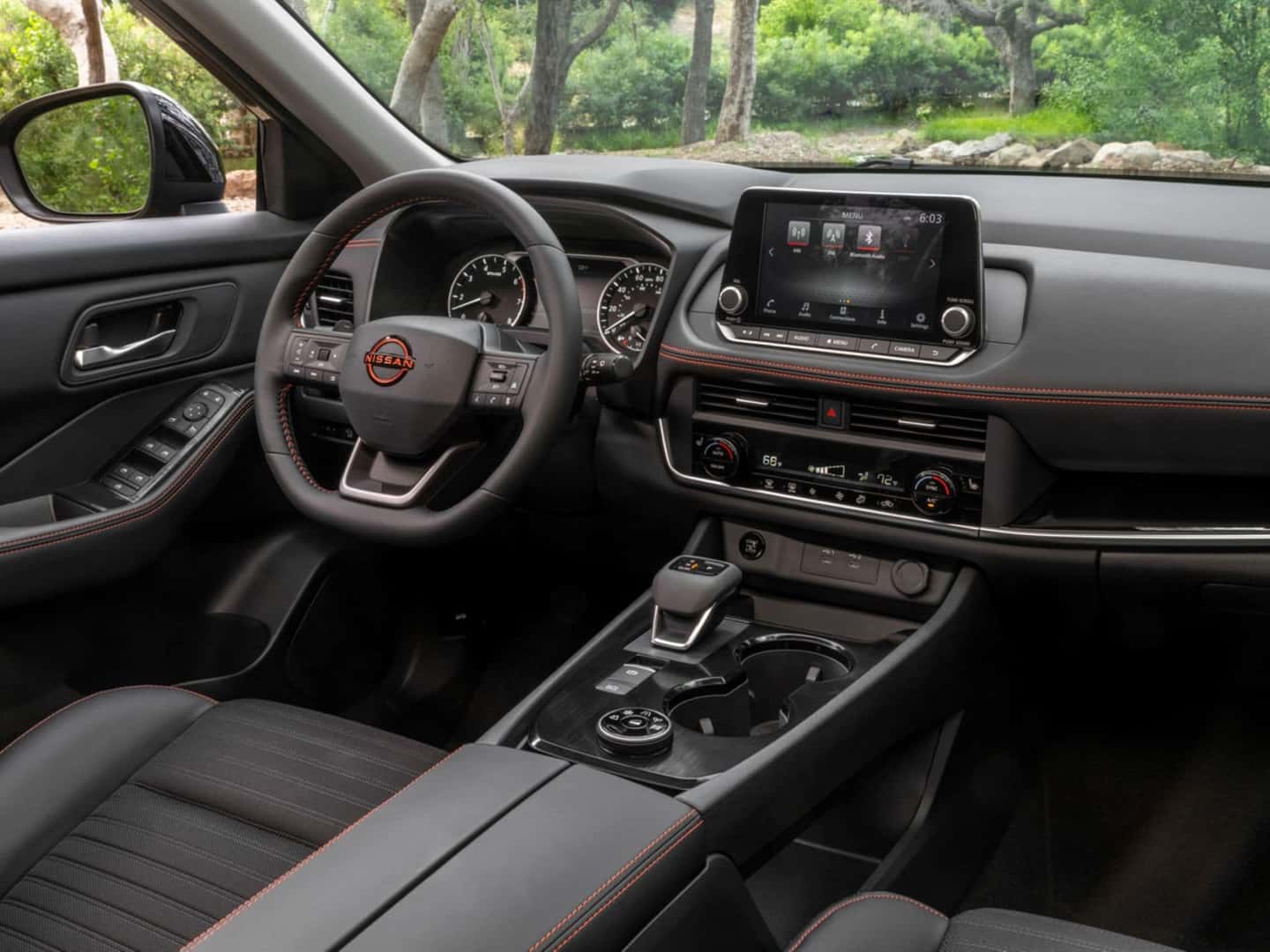
Not all manufacturers were fond of the cupholder idea, which seemed to them like a silly American thing. German manufacturer spokespeople sniffed that “Germans take driving seriously and wouldn’t think of drinking in the car” or words to that effect. The American reply was something like, “We can walk and chew gum at the same time, so guess what we can do while we drive?” The Germans reluctantly complied, initially creating cupholders that managed to be both flimsy and over-engineered at the same time.
But the fact is that there is a fair amount of engineering in a cupholder. Chris Fischer, a Senior Manager of Vehicle Performance Development at Nissan, has cupholders as one of his responsibilities. The biggest challenge is accommodating the many sizes of beverage containers used by customers. Currently, the most common item dropped into a cupholder is a refillable water bottle, which is usually wide due to its thickly insulated sides. The next most common items are paper coffee cups, such as those from Starbucks. Further down the list are disposable water bottles and both 10-ounce and mini 7.5-ounce soda cans.
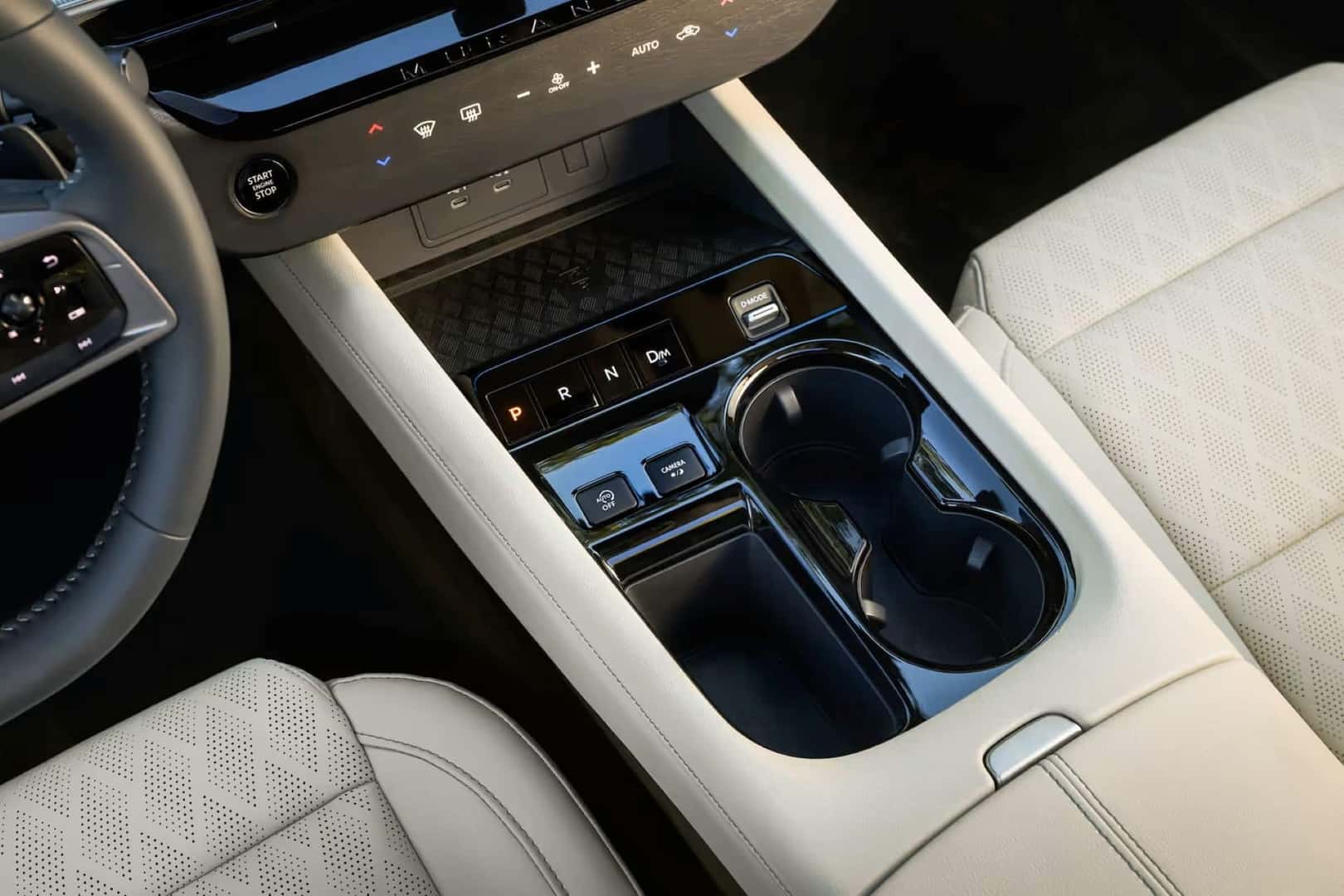
To fit the big containers without making the small ones too unstable brought about what Chris refers to as “fingers”—those spring-loaded tabs within the cupholder sides intended to hold cylinder-shaped containers of various sizes securely. Various, but not all. Chris draws the line before making space to accommodate Thermos bottles or 7-Eleven Big Gulps and the like. Another challenge is coffee mugs with handles. That created what Fischer calls the “dog bone” shape, an open space (accommodating the handles) that connects the two cupholders without significantly changing the center console.
It’s challenging to make cupholders–essentially holes—look good. Bright trim around the edge is often employed if it matches the rest of the interior. Lately, cupholders have been recipients of interior ambient lighting.
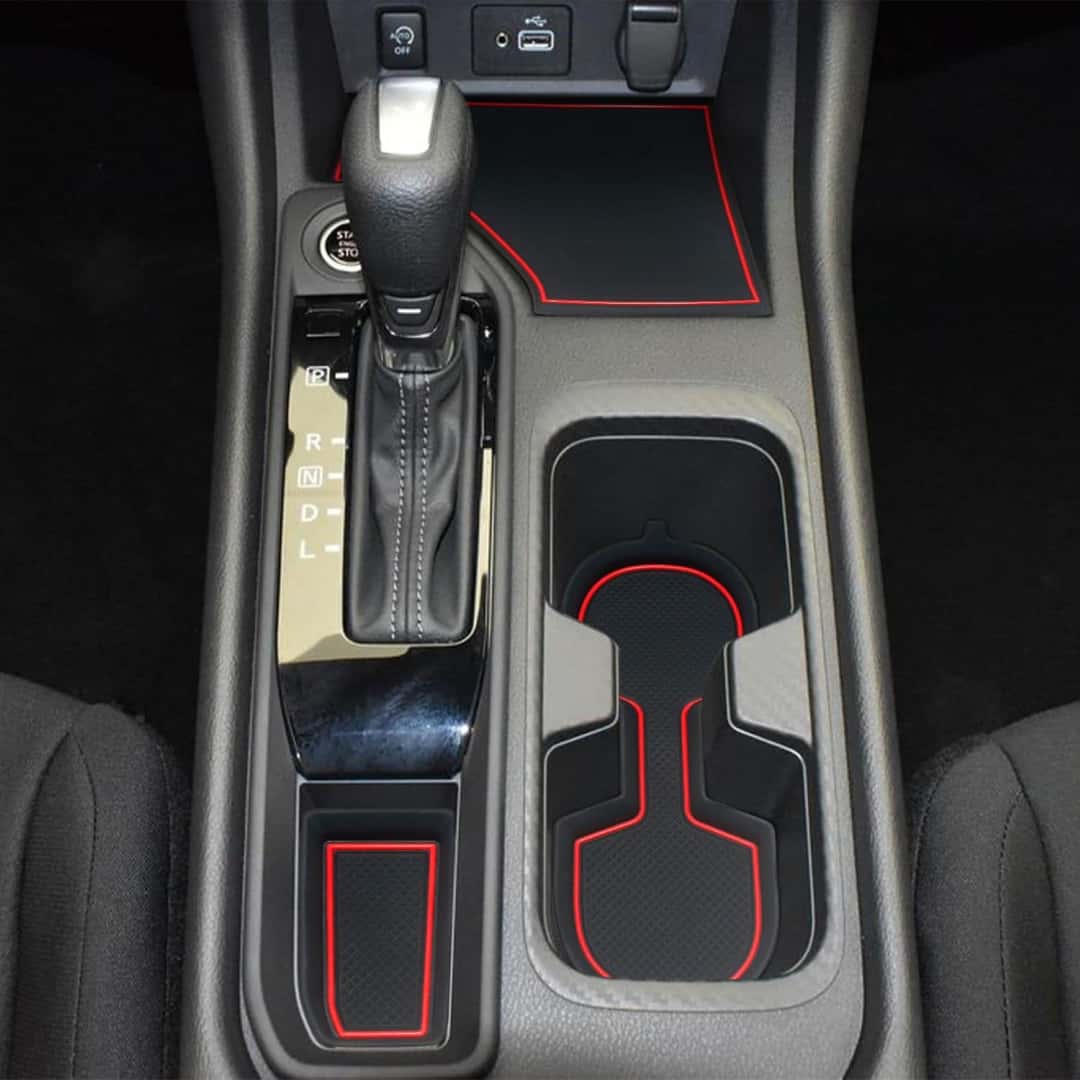
The cupholders are part of the vehicle testing program. “We take a bottle, fill it three-quarters full, leave it open, and drive a windy marketability course. The idea is this shouldn’t spill.” Often they do, which is just part of life for a vehicle tester.
Spending time designing effective cupholders in something as complex as a modern automobile may seem like a misuse of resources, but as Fischer points out, such details matter. If they get it wrong, it could negatively impact a customer’s everyday routine. “If they’re mad about it every day, it’s gonna sour their desire to want this vehicle again,” says Fischer.
This is just another example of how Nissan engineers focus on the details to improve your vehicle satisfaction—even in ways you may not notice at first. The time to take notice is, of course, during your test drive. We invite you to do just that with any of Nissan’s meticulously well-thought-out vehicles at Dick Smith Nissan of St. Andrews.

0 comment(s) so far on More Than You Ever Wanted to Know About Cupholders