

Four-Wheel Drive Versus All-Wheel Drive
Four-wheel drive (4WD) and all-wheel drive (AWD) are two different systems with some commonalities but also some clear distinctions. Unfortunately, they are often confused with one another. It doesn’t help that outside North America, the terms are often used interchangeably despite their differences. This Dick Smith Nissan of St. Andrews post strives to inform you of the differences and the advantages and disadvantages of each.
 Four-Wheel Drive
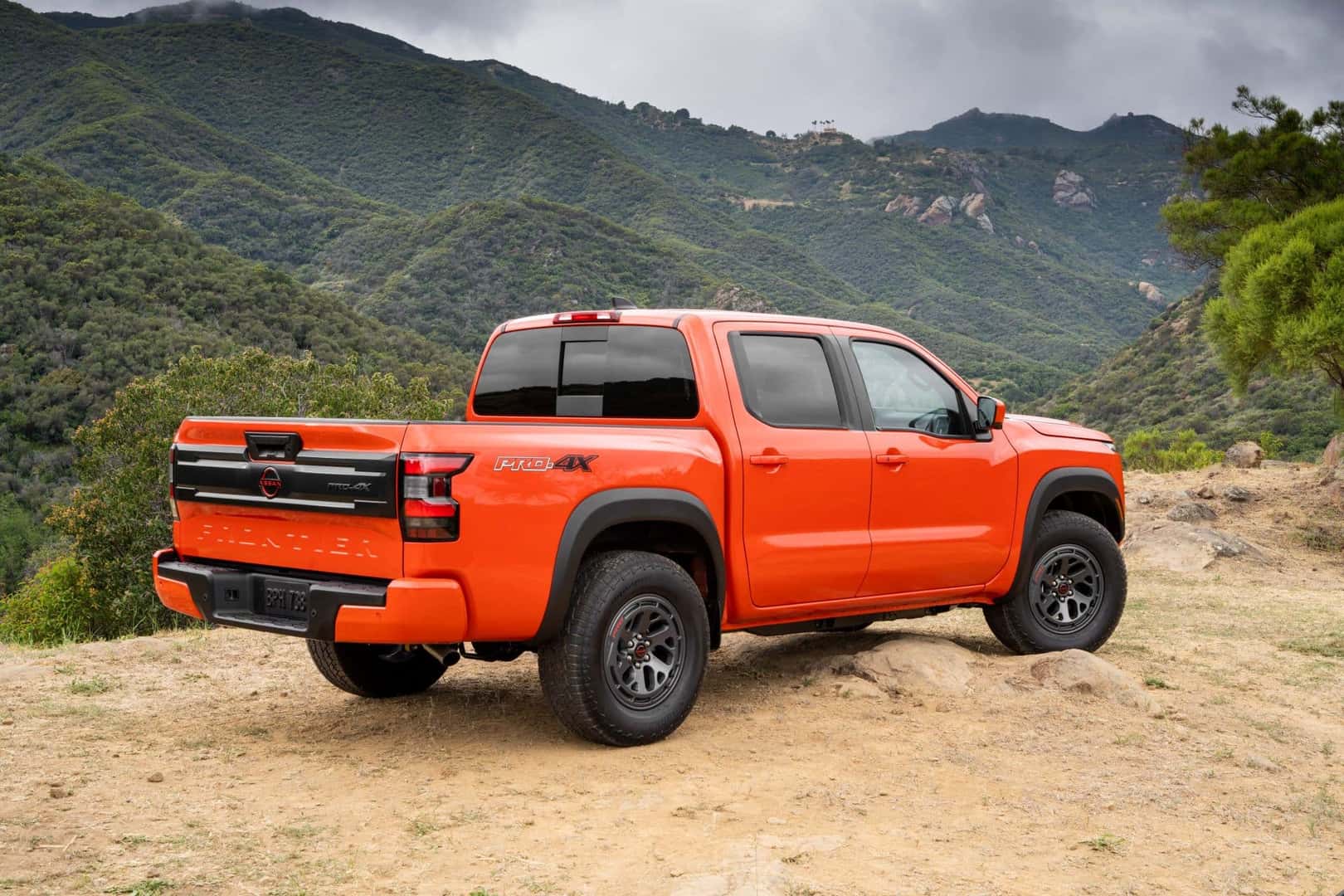
Four-wheel drive vehicles have existed nearly as long as the motor vehicle itself, with the first patent granted for a steam-powered vehicle in 1893. In 1899, Ferdinand Porsche designed a 4WD electric vehicle that featured a motor positioned between the front and rear axles, akin to today’s AWD EVs. Interestingly, this was an early version of a series hybrid, where an engine generated electricity for the electric motors that powered all four wheels. Combining drive and steering wheels presented an engineering challenge at the time; the practicality of the front gas engine and rear drive wheels ultimately prevailed.
War was what brought 4WD vehicles into mass production. During World War I, there were few paved roads outside the cities, so 4WD models were used by both sides. The Second World War brought many 4WD trucks to the European theatre for the same reason. The Dodge Power Wagon was used in a variety of configurations, but the most ubiquitous 4WD model of the era was the Willys General Purpose CJ-2A, which was called “Jeep” for short. After the war, 4WD vehicles continued to be popular for anyone who frequently drove off the pavement, such as on farms, construction sites, or rural trails.
Then, as now, 4WD vehicles generally used only rear-wheel drive on pavement, as the different rotational speeds of tires gripping the pavement when turning caused drive bind-up in the system. Once off-road, 4WD was engaged, originally by turning a lock on the front hubs, now often by a control in the cabin, whereby all four wheels move in lockstep with the slippage of the unpaved surface, alleviating the bind-up problem.
Having all four wheels turning in unison can get vehicles through very challenging terrain, and 4WD remains the best system for navigating rough off-road locations and thick snow. You will also find full-time 4WD systems that allow slippage from one wheel to the next so that they can operate on paved surfaces, though this is less common. 4WD is often accompanied by a two-speed transfer case, facilitating slow crawling over obstacles. Because 4WD is far easier to engineer on vehicles configured for rear-wheel drive, you mostly see 4WD on pickup trucks or vehicles that share pickup truck chassis.
 All-Wheel Drive
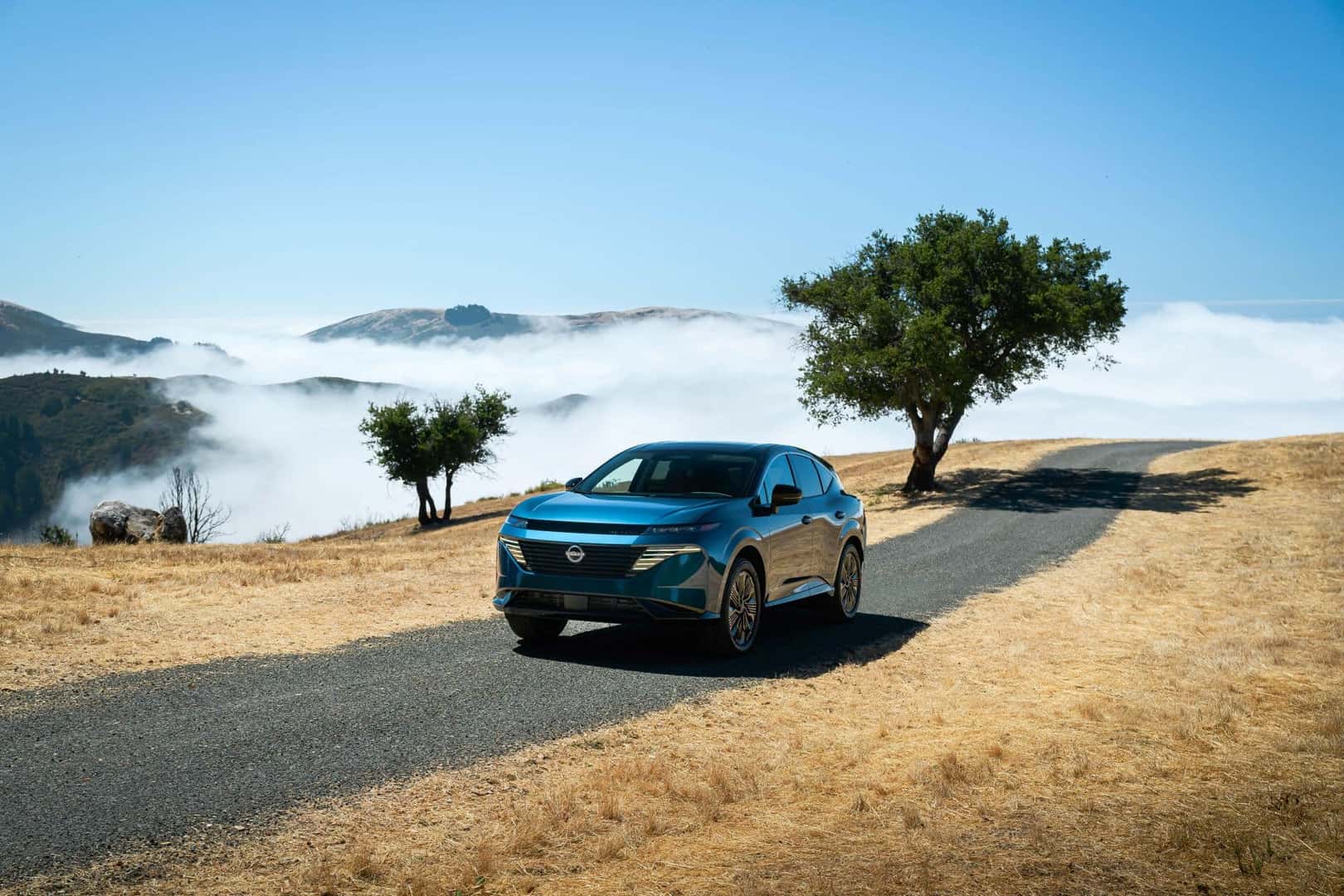
All-wheel drive is a much newer innovation that started appearing on vehicles in the early 1980s and started becoming much more common in the late 1990s with the advent of passenger-car-platform-based SUVs, later to become known as crossovers. The system is superior to rear- or front-wheel drive vehicles in traversing the unpaved, but it falls short of 4WD for off-road capability. AWD systems shine in keeping vehicles on the road when the pavement is slick with rain or snow. AWD does not have to be turned on. It can operate all the time, making it an ideal safety enhancement since it will simply be there to operate when needed.
Most crossover vehicles have AWD available, if not standard. This is in part because they are built from front-wheel drive (FWD) platforms with transverse-mounted engine arrangements in which the power emerges from engines to the vehicles’ sides where the transmissions are placed rather than to the rear. Because engines are generally longer than they are wide, this improves the vehicles’ overall space allocation. Power runs from the transmission to a differential that distributes power between the front and rear wheels. The amount of power distributed to the front and rear can vary according to need. The lack of a direct mechanical connection between front and rear axles eliminates the on-pavement drive bind-up found in 4WD, so power can be sent to all four wheels all the time. Some vehicles are available with disconnects of the rear wheels to improve fuel efficiency.
The advantage is that traction from all four tires is optimized when all wheels become drive wheels. The electronically controlled ability to vary the torque between the front and rear enables the vehicle to remain sure-footed in various driving situations. AWD is the best configuration for maintaining stability on wet and snow-covered pavement. The traction advantages of AWD can also have a benefit in high-performance conditions, which is why it is part of the GT-R drivetrain.
Nissan Drivetrains
Here is a quick rundown of the drive systems of Nissan vehicles:
Cars
Trucks
Crossovers
- Kicks FWD and available AWD
- Rogue FWD and available AWD
- Pathfinder 4WD
- Ariya FWD and available AWD
- Murano FWD and available AWD
SUVs
- Armada RWD and available 4WD
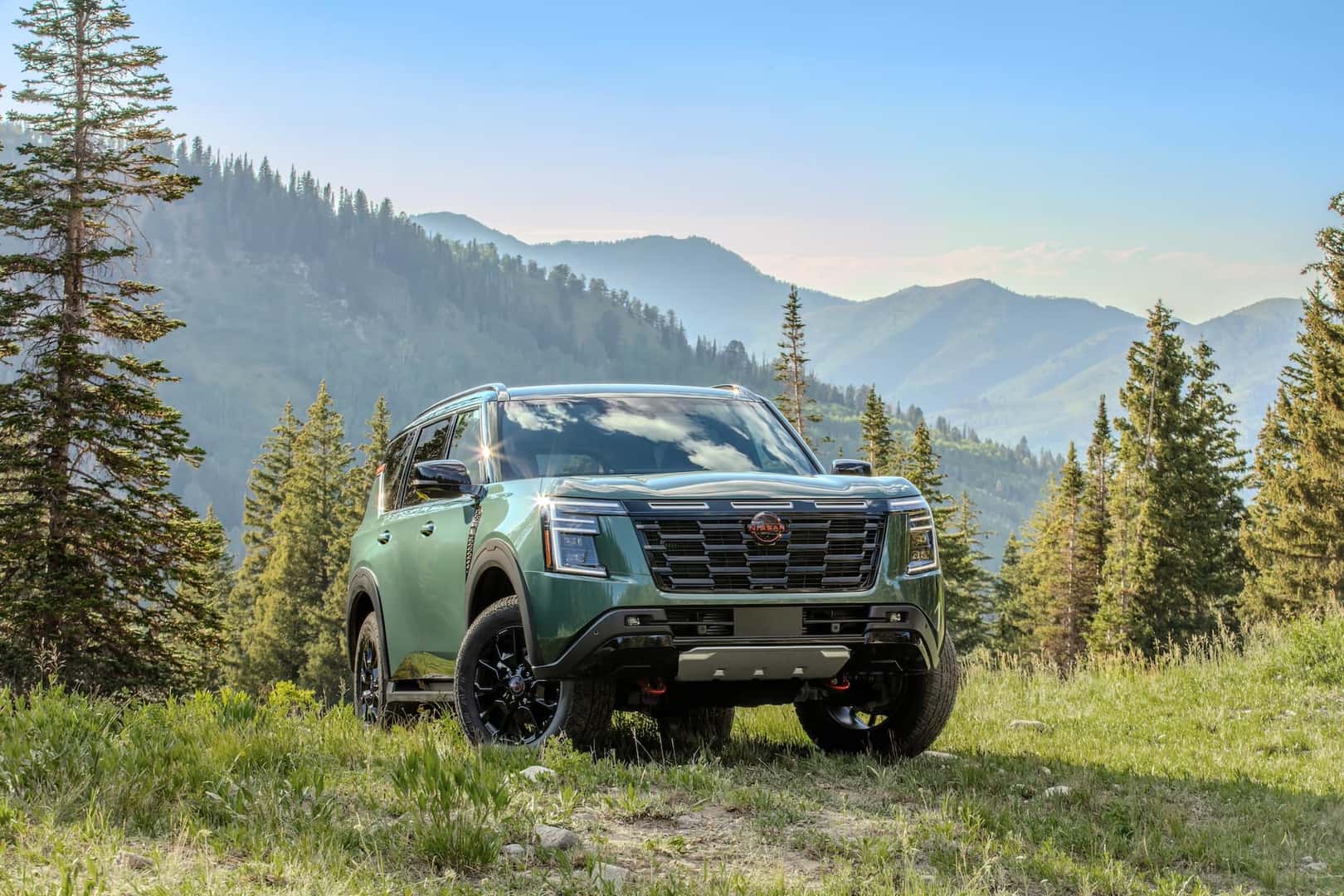
As evidenced above, the Nissan model line features drivetrains of all kinds. Hopefully the description above informs you of the most appropriate drivetrain for you. If you have further questions, please ask one of our sales professionals at Dick Smith Nissan of St. Andrews who will be able to point you to the Nissan that best fills your needs.

0 comment(s) so far on Four-Wheel Drive Versus All-Wheel Drive